Examining Areas of Scientific and Research Cooperation Between the Contemporary Fiqh Research Institute and Al al-Bayt University
Hujjat al-Islam wal-Muslimin Mostafa Dorri, Deputy Director and Vice President for Research at the Contemporary Fiqh Research Institute, together with Hujjat al-Islam Pourmand, the Institute’s Director of Communications, met with officials of Al al-Bayt University to discuss areas of joint scientific, research, and educational cooperation between the two institutions.
Present at this meeting were Sheikh Yasser al-Hajji, President of Al al-Bayt University; Sheikh Reza Es’haqi, Scientific Counsel; Sayyid Farid Qahestani, Administrative Counsel; Sayyid Fahd Mahfouz, Vice President for Research; and Sheikh Ali Bushehri, Director of the Al al-Bayt Seminary.
During the meeting, the capacities and activities of the Contemporary Fiqh Research Institute in various fields—including education and research in the domain of contemporary fiqh—were introduced, and areas of cooperation with Al al-Bayt University were examined.
The holding of training courses and workshops on research methodology in contemporary fiqh, as well as research methods across various chapters of contemporary fiqh, was among the proposed areas of cooperation. Attention was also given to holding short-term and modular courses in fields such as research management and knowledge management.
Making use of Al al-Bayt University’s capacity in the field of translation and oversight of the translation of the Institute’s works and productions—particularly into Arabic and English—was another topic raised at this meeting.
The meeting also examined the possibility of Al al-Bayt University students making use of the library resources of the Contemporary Fiqh Research Institute, with emphasis placed on expanding access to specialized resources in contemporary fiqh.
At the conclusion of the session, emphasis was placed on translating the discussions held into practical measures, and it was proposed that the areas of cooperation be incorporated into the draft memorandum of understanding between the two institutions. It was likewise emphasized that joint cooperation should begin even before the formal signing of the memorandum of understanding.
Related Articles
Attention to Contemporary Jurisprudence Discussions is a Vital Approach in the Islamic Seminary of Najaf al-Ashraf
Scientific Trip of the Research Institute Delegation to Iraq | Fourth Report In continuation of the…
Read More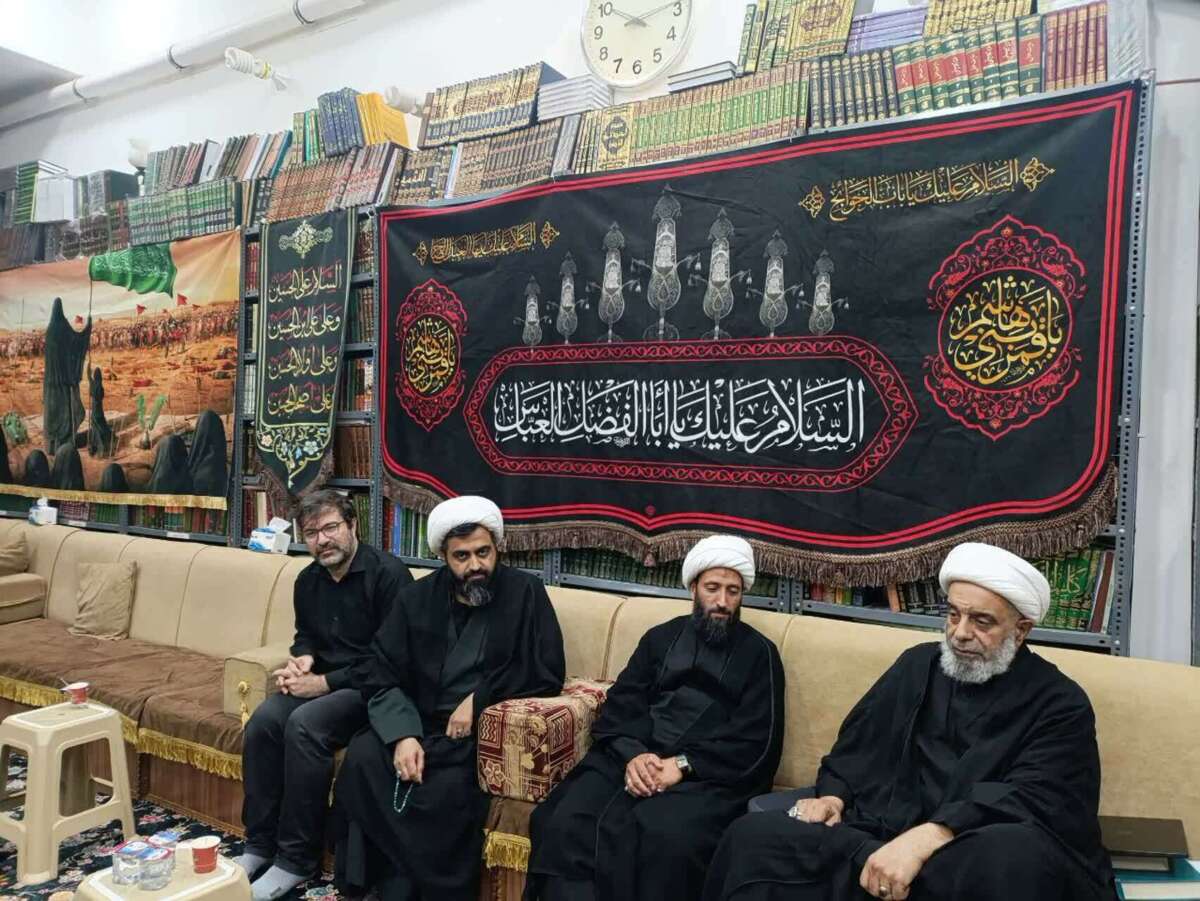
The Expansion of Contemporary Jurisprudence is a Serious Necessity for the Islamic Seminary of Najaf
Scientific Trip of the Research Institute Delegation to Iraq | Third Report In continuation of the…
Read MoreVisit of the Delegation of the Research Institute of Contemporary Jurisprudence to the Research, Document Preservation, and Publication Center of Najaf al-Ashraf
Scientific Trip of the Research Institute Delegation to Iraq | First Report In line with expanding…
Read More