Can Credit Dispositions Contrary to the Condition of a Legal Act Be Considered Valid?

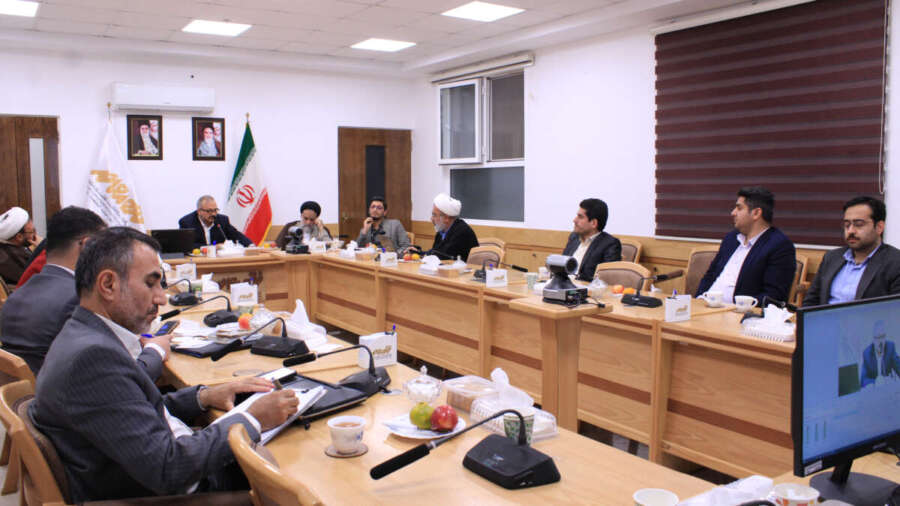
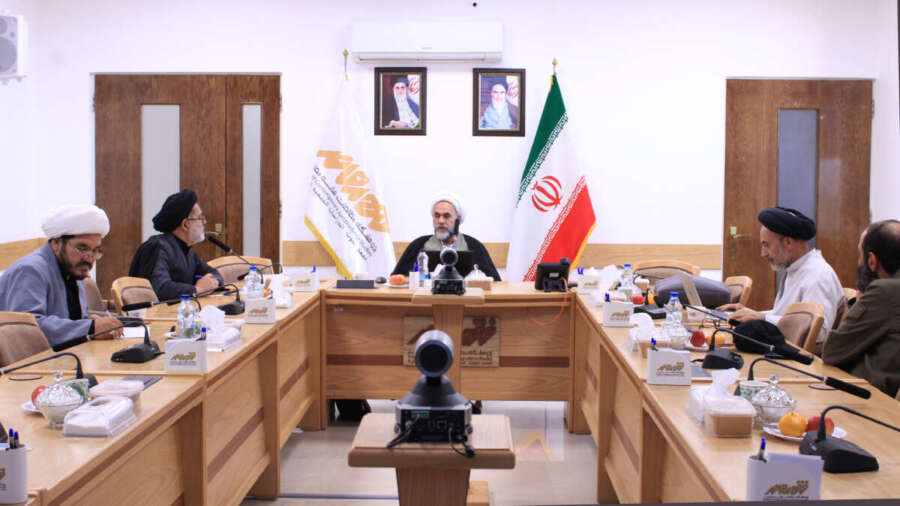
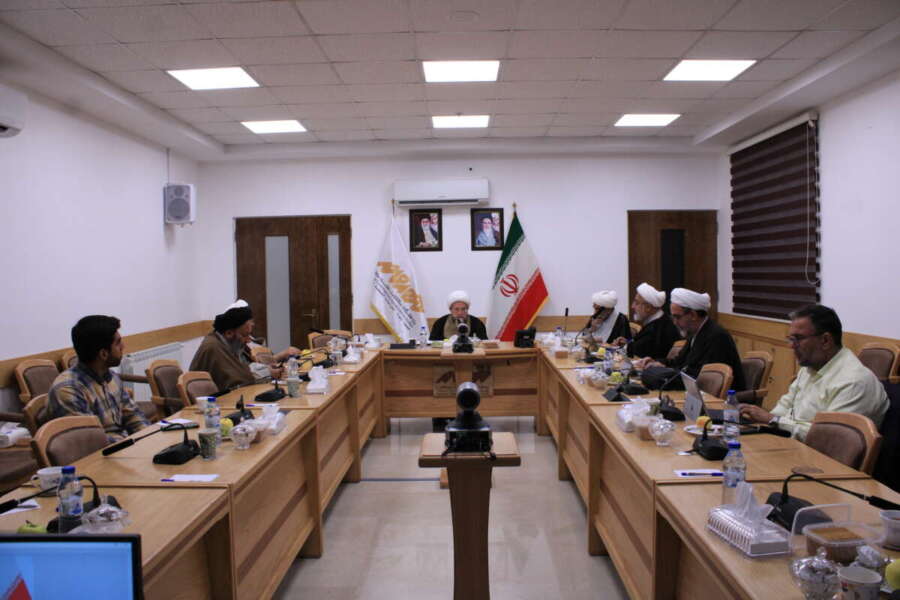
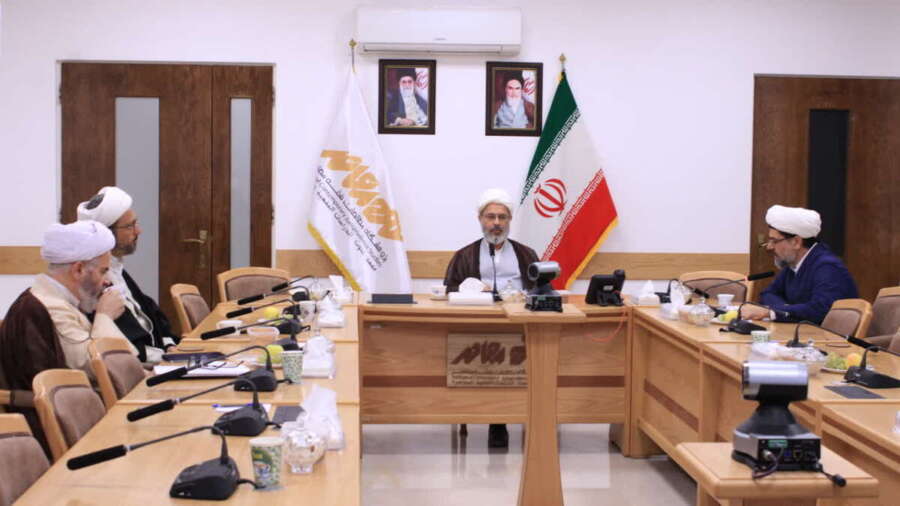
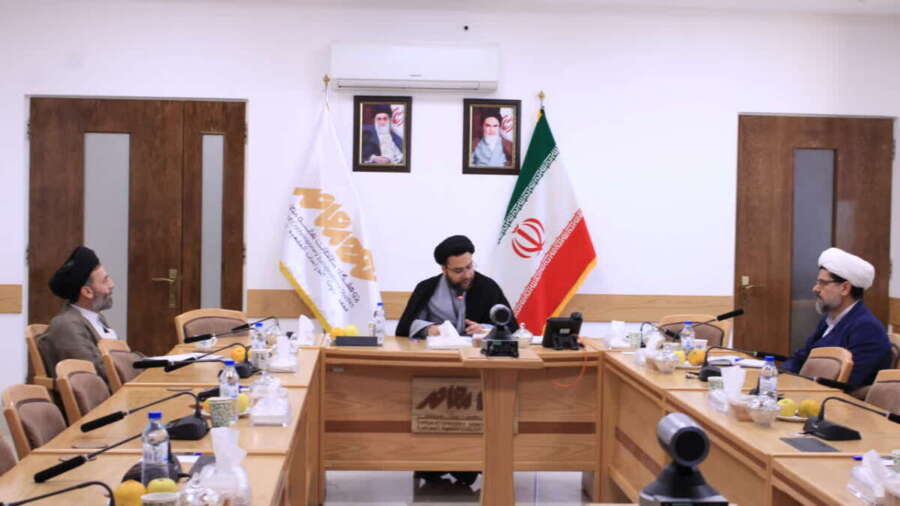
The promotional scholarly session titled “Validity of Credit Dispositions Contrary to the Condition of Legal Act” in line with expanding new discussions in transaction jurisprudence and with the aim of rereading jurisprudential foundations of contracts and examining their relation with contemporary legal and economic developments, addressed proposing and critiquing new views in the field of legal act condition.
🔹Dr. Esfandiar Safari in this scholarly session, by critiquing the famous view of Imami jurists, emphasized that credit dispositions contrary to the condition of a legal act cannot be valid and enforceable, because it is incompatible with rational foundations and the principle of fulfilling conditions.
🏷He, by examining the opinions of Imam Khomeini (may his soul be sanctified) and other jurists, showed that existing theories on separating obligatory prohibition and positional invalidity need reconsideration. In his belief, accepting the validity of such dispositions practically allows the violator to breach the contract, and this matter is not compatible with contractual justice and jurisprudential logic.
View the full text of the news of the scholarly session:🔻

Holding a Jurisprudential Session on Examining Surface Water Ownership

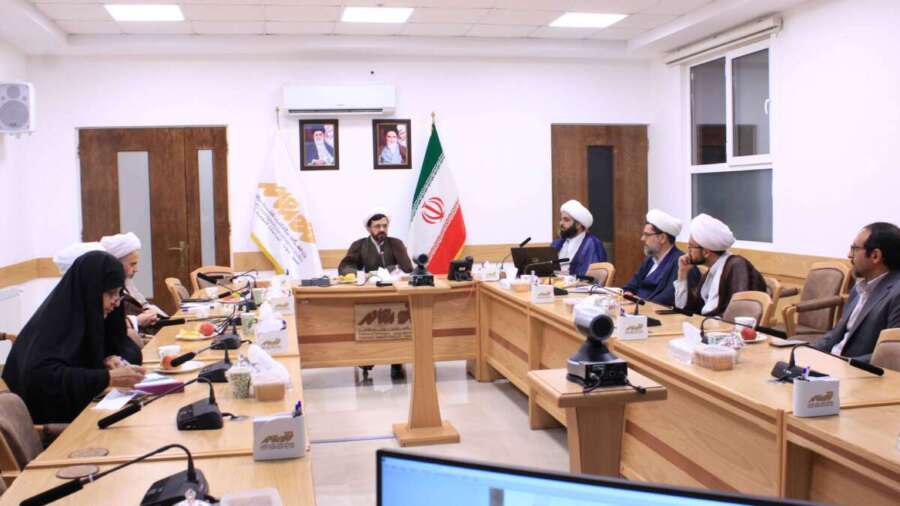
In the scholarly session of the Research Institute of Contemporary Jurisprudence Studies, Hujjat al-Islam wal-Muslimeen Dr. Borji, by examining related narrations, considered the famous view on the commonality of waters lacking backing and evaluated their ownership in the realm of anfal and Islamic government.

In the scholarly session of the Natural Resources and Environment Jurisprudence Group titled “Surface Waters Ownership in Islamic Jurisprudence,” Hujjat al-Islam wal-Muslimeen Dr. Borji, while examining narrations related to water and anfal, emphasized that based on valid verses and narrations, the real ownership of natural resources and public waters belongs to God and is placed at the disposal of the Imam and Islamic government.
🔹He considered narrations related to the commonality of waters weak in terms of document and said based on anfal evidence, the Islamic government has the right to manage and allocate these resources and exploitation of these resources must be done within the framework of public interests and under the jurisprudential supervision of the Islamic government to prevent wasting the rights of future generations.
View the full text of the scholarly session news:🔻

In the scholarly session of the Jurisprudence of Politics and International Relations Group of the Research Institute of Contemporary Jurisprudence Studies, it was critiqued and examined:

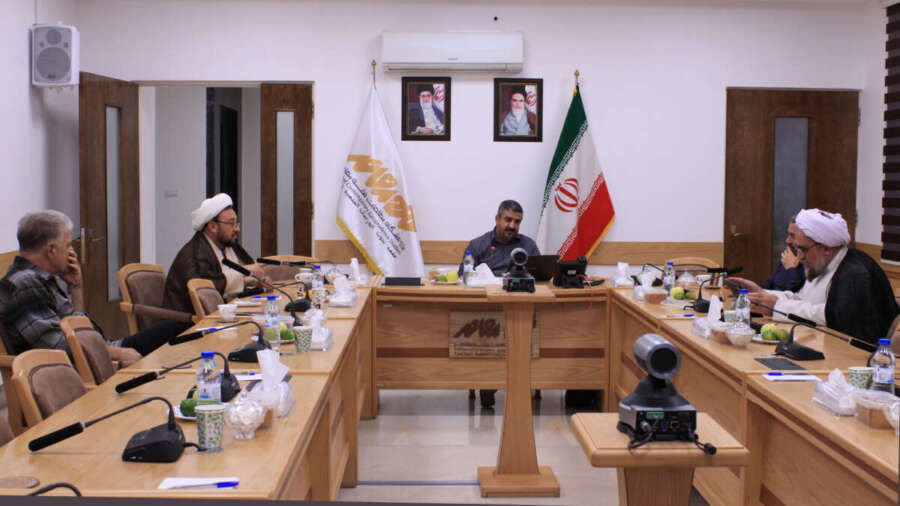
In this session, Dr. Haqiqat, while explaining jurisprudential views on the prohibition or permissibility of nuclear weapons, considered separating three levels of construction, stockpiling, and use necessary and emphasized the absolute prohibition of using weapons of mass destruction against civilians.
At the same time, by proposing a distinction between weapons of mass destruction and tactical nuclear weapons, he raised the possibility of difference in jurisprudential ruling in limited and military cases. The scholarly critics, while emphasizing the necessity of precise topic recognition and evaluating environmental consequences, called for deeper examination of the foundations of philosophy of law and ethics in inferring rulings on this issue.
View the full text of the session news:

In the 234th Scientific Seminar of the Women and Family Jurisprudence Group at the Research Institute of Contemporary Jurisprudence Studies, It Was Stated:

Women’s Marja‘iyyah: Responsibility or Denial of Right?
In the scientific seminar on “Women’s Marja‘iyyah: Dimensions and Challenges,” Dr. Mahdi Sajjadi-Amin, explaining his view on the non-guardianship nature of ijtihad, considered the negation of guardianship from women as the removal of responsibility, not the denial of a right. In contrast, Hujjat al-Islam wal-Muslimeen Fazel Baboli emphasized the need for historical and social re-reading of jurisprudential evidence and described marja‘iyyah as a scholarly, not guardianship, status. Additionally, Dr. Toufiqi, critiquing some traditional foundations, proposed redefining the institution of marja‘iyyah in a council-based and specialized manner.
The discussions in this seminar showed that the topic of women’s marja‘iyyah remains a live and noteworthy issue in seminaries and jurisprudential centers, requiring deeper research and interdisciplinary dialogues to achieve an up-to-date understanding of the scholarly and religious position of women in the Shiite jurisprudential system.
View the full text of the news:

Scientific Seminar at the Research Institute of Contemporary Jurisprudence Studies on Methodological Hermeneutics in Political Jurisprudence

On Thursday, 2 October 2025, the Research Institute of Contemporary Jurisprudence Studies held the seminar “The Application of Methodological Hermeneutics in Political Jurisprudence” with the participation of Dr. Masoud Fayyazi and Dr. Seyyed Sadegh Haghighat.
🔹 This specialized seminar explored new approaches to interpreting jurisprudential texts and emphasized the importance of context in achieving a more precise understanding of religious and political texts.
🏷 In this scientific seminar, Dr. Fayyazi reviewed the history and philosophy of hermeneutics, explaining the significance of understanding the “author’s individuality” and the necessity of considering historical and cultural contexts in interpreting religious texts. Additionally, Dr. Haghighat highlighted the critical role of context in interpreting jurisprudential verses, particularly those related to jihad, emphasizing the need for a systemic approach to jurisprudence.
View the full text of the news along with the seminar audio: 🔻

Scientific Session of the Jurisprudence of Judiciary and Penal Law Group Held at the Research Institute for Contemporary Jurisprudence Studies

Perspectives in Favor and Against Replacing Limb Retribution with Blood Money, Along with Jurisprudential and Legal Challenges and Solutions, Were Discussed

According to the news portal of the Research Institute for Contemporary Jurisprudence Studies, the 232nd scientific session of the Jurisprudence of Judiciary and Penal Law Group, titled “Feasibility of Converting Limb Retribution,” was held on Wednesday, October 15, 2025, with significant participation from researchers and scholars of judiciary and penal law and jurisprudence.
In this session, Hujjat al-Islam Ibrahim Bagheri, a member of the Jurisprudential Scientific Council of the Judiciary, and Ayatollah Jafar Najafi Bostan, a professor of advanced jurisprudential studies at the Qom Islamic Seminary, presented perspectives in favor and against the jurisprudential and legal dimensions of converting limb retribution.
This scientific session, which was well-received by researchers of judiciary jurisprudence and Islamic law, underscored the necessity of more precise and expert examination of this sensitive topic.
View the full text of the news along with the audio of the session: 🔻

Jurisprudence of Ethics and Analysis of Inner Acts

According to the news portal of the Research Institute for Contemporary Jurisprudence Studies, the scientific session of this institute, titled “Jurisprudence of Ethics and Analysis of Inner Acts,” was held. The main focus of the discussion was the status of inner and heartfelt acts in jurisprudence and the possibility of applying sharia rulings to them.
🔹 In this session, dedicated to examining the possibility of applying sharia rulings to inner acts such as intellectual and emotional acts, professors from the Islamic seminary, including Hujjat al-Islam Alamzadeh Nouri and Hujjat al-Islam Fazeli Baboli, were present.
🏷 The presenter of the session, emphasizing the voluntary nature of inner acts, introduced examples such as intention, love, and purpose as jurisprudential instances. Additionally, the critiques and questions raised contributed to clarifying the foundations and the need for a more precise examination of this topic. This session represents an important step in advancing studies in the jurisprudence of ethics and addressing contemporary challenges.
View the full text of the news along with the audio of the session: 🔻

Critique of the View of Incompatibility Between Jurisprudence and Economic Development and Introduction of Four Different Approaches to the Synergy of Religion and Development

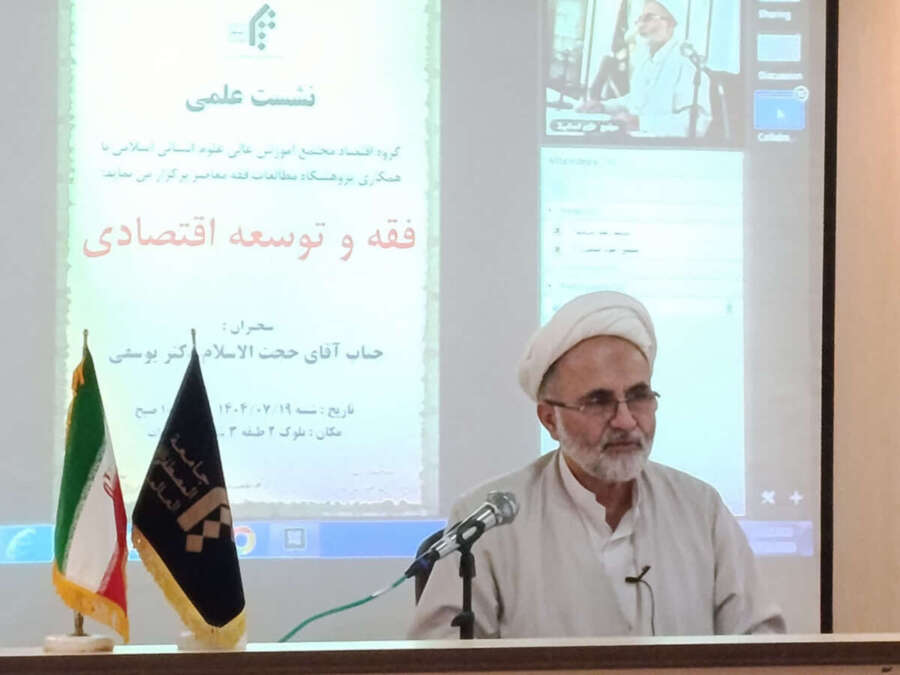
The specialized scientific session of the Research Institute for Contemporary Jurisprudence Studies, titled “Jurisprudence and Economic Development,” was held, and Dr. Mohammad Reza Yousefi, associate professor at Mofid University, thoroughly examined the relationship between jurisprudence and economic development.
🏷 According to the news portal of the Research Institute for Contemporary Jurisprudence Studies, various perspectives on the challenges and opportunities of the coexistence of jurisprudence and economic development were critiqued and analyzed in this session.
🔹 Dr. Yousefi, reviewing Dr. Mohsen Renani’s perspective and critiquing his arguments, outlined four main approaches to the interaction between jurisprudence and development, emphasizing that jurisprudence has the capacity to adapt to contemporary needs and cannot simply be considered an obstacle to development. This discussion involves complex jurisprudential, economic, and social dimensions and requires deeper research.
View the full text of the news along with the audio of the scientific session: 🔻

Report on the Scientific Session of the Research Institute for Contemporary Jurisprudence Studies

According to the news portal of the Research Institute for Contemporary Jurisprudence Studies, the 228th scientific session of this institute, titled “The Nature, Dimensions, and Scope of the Jurisprudence of Culture,” was held on Thursday, October 9, 2025, organized by the Group for the Jurisprudence of Culture, Art, and Media.
🔹 In this session, Hujjat al-Islam wa al-Muslimin Mohammad Tabatabaei, a member of the Group for the Jurisprudence of Society and Culture at the Center for the Jurisprudence of the Imams of the Ahl al-Bayt (peace be upon them), delivered the presentation and proposed a framework for sharia interventions in culture by distinguishing between the jurisprudence of the cultural system and the jurisprudence of cultural issues.
🏷 The session’s critic, Hujjat al-Islam wa al-Muslimin Dr. Seyyed Mohammad Reza Asef Agah, while critiquing the definition of culture and its jurisprudential boundaries, emphasized the need to clarify the theoretical foundations of cultural jurisprudence and its distinction from ethics and politics.
This session is part of the series on the jurisprudence of culture, art, and media and was held with the aim of elucidating new theories in contemporary jurisprudence.
View the full text of the news along with the audio of this scientific session: 🔻
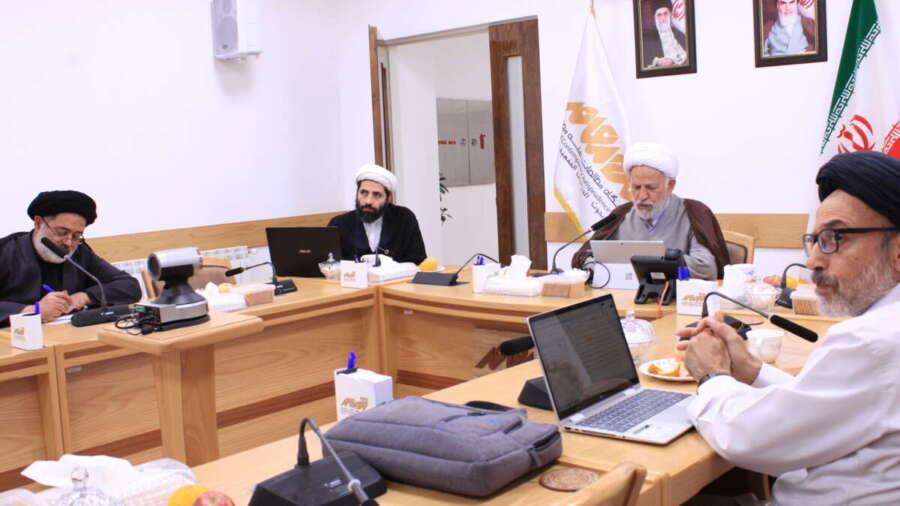
Examining the Necessity of Incorporating Forward-Looking Approaches in the Science of Jurisprudence with the Presence of Distinguished Seminary and University Scholars

According to the news portal of the Research Institute for Contemporary Jurisprudence Studies, the 227th session of the institute, held on Wednesday, 16 Mehr 1404 (October 8, 2025), highlighted the significance of futures studies as a novel and proactive approach. The session placed special emphasis on identifying and managing emerging jurisprudential issues.
🔹 Hujjat al-Islam wal-Muslimeen Dr. Ahmad Koohi, referring to the necessity of anticipating new issues before they arise, cited technologies such as Bitcoin and biotechnology as examples of emerging jurisprudential challenges that require timely religious rulings.
🏷 Dr. Ali Elahi Khorasani also stressed the importance of a more precise interaction between futures studies and jurisprudence, as well as attention to the social dimensions of religious rulings. In conclusion, the session focused on the importance of gradual change and long-term planning as the central theme of the discussions.
View the full text of the news along with the audio of the scientific session: 🔻