Report on the Scientific Session of the Research Institute for Contemporary Jurisprudence Studies
Examining the Nature, Dimensions, and Scope of the Jurisprudence of Culture at the Scientific Session of the Research Institute for Contemporary Jurisprudence Studies
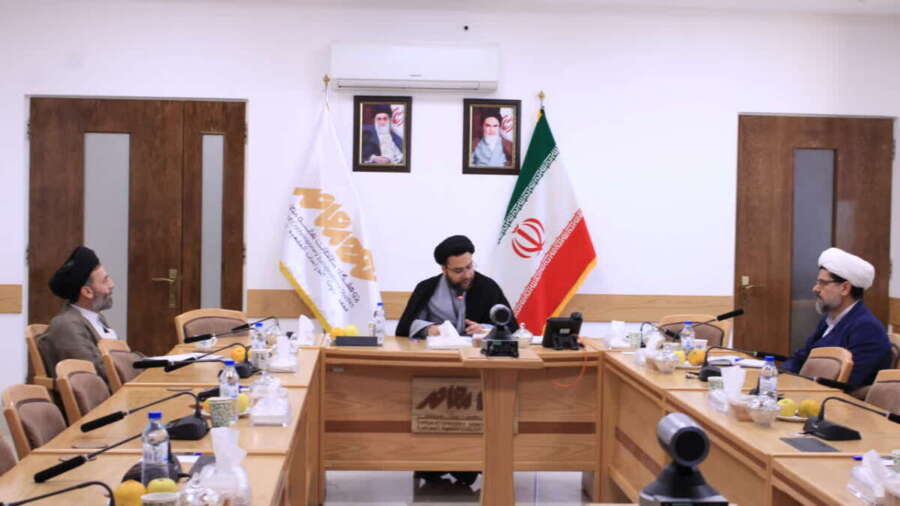
According to the news portal of the Research Institute for Contemporary Jurisprudence Studies, the 228th scientific session of this institute, titled “The Nature, Dimensions, and Scope of the Jurisprudence of Culture,” was held on Thursday, October 9, 2025, organized by the Group for the Jurisprudence of Culture, Art, and Media.
🔹 In this session, Hujjat al-Islam wa al-Muslimin Mohammad Tabatabaei, a member of the Group for the Jurisprudence of Society and Culture at the Center for the Jurisprudence of the Imams of the Ahl al-Bayt (peace be upon them), delivered the presentation and proposed a framework for sharia interventions in culture by distinguishing between the jurisprudence of the cultural system and the jurisprudence of cultural issues.
🏷 The session’s critic, Hujjat al-Islam wa al-Muslimin Dr. Seyyed Mohammad Reza Asef Agah, while critiquing the definition of culture and its jurisprudential boundaries, emphasized the need to clarify the theoretical foundations of cultural jurisprudence and its distinction from ethics and politics.
This session is part of the series on the jurisprudence of culture, art, and media and was held with the aim of elucidating new theories in contemporary jurisprudence.
View the full text of the news along with the audio of this scientific session: 🔻