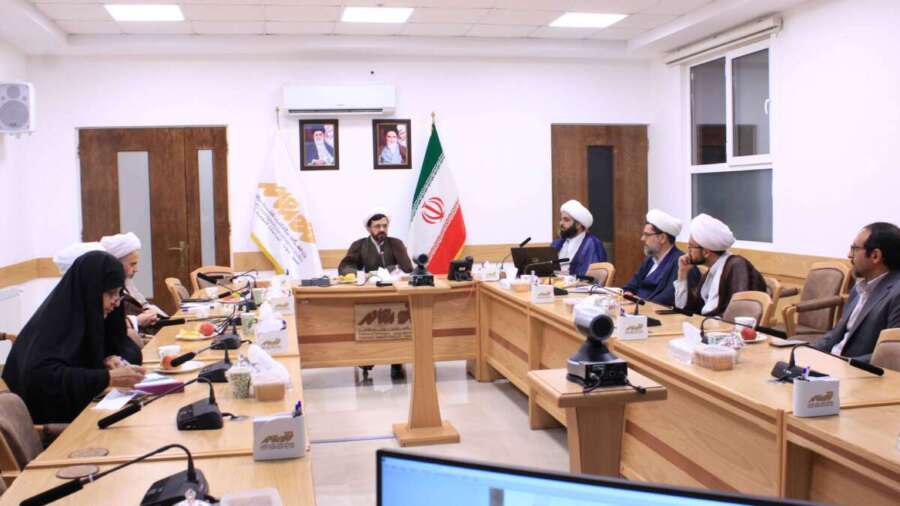
Hujjat al-Islam Dr. Ali Shafiei, in an Exclusive Interview with Contemporary Jurisprudence:
Traditional Jurisprudence Defends Men to Such an Extent That Men Have Become Advocates for Eliminating Violence Against Women!
Examination of the Jurisprudential Dimensions of Spousal Violence/6
Advocates for women’s rights, sometimes referred to as feminists, constantly complain about the various forms of violence that, in their view, men inflict on women. Although this opinion has many opponents who do not consider many male behaviors as violence at all, the question is why the conflict is essentially about violence by the husband against the wife, and no one speaks of violence by the wife against the husband. Hujjat al-Islam wal-Muslimeen Dr. Ali Shafiei, who is counted among intellectuals, believes that violence by women against men also exists, but for various reasons enumerated in this interview, it has not been much discussed. In this exclusive interview with Contemporary Jurisprudence, he explored the various dimensions of violence against the husband and the reasons for its absence in the scholarly discourse of jurisprudential knowledge.
The full text of this engaging and insightful interview is presented below: