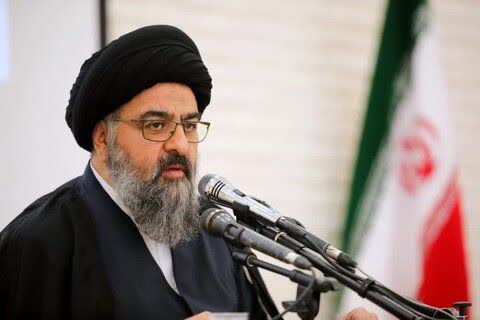
Ayatollah Seyyed Mojtaba Nourmofidi, in remarks during his Advanced Jurisprudence (Dars-e Kharej) course, considered the blatant interference of the US and the Zionist regime in the recent riots as the result of a “deep calculative and strategic error” on their part and emphasized: “The enemies of Iran, observing certain social gaps, economic problems, and dissatisfaction with high prices, thought the time had arrived to strike Iran; however, by Divine grace, the vigilance of the people, and the wisdom of the Supreme Leader, all their calculations turned against themselves.”
The professor of the Advanced Jurisprudence course at the Qom Seminary, pointing out that the ultimate target of the US and the Zionist regime is not merely the Islamic Republic system, stated: “The main issue for the enemies is the existence of Iran as an independent and influential power in the region. The enemies of Islamic Iran constantly nurture the dream of Iran’s disintegration in their heads; a matter that the mature nation of Iran has understood well.”
The Head of the Research Institute for Contemporary Jurisprudence Studies described the rapid separation of the ranks of protesters from vandals and rioters, and the massive presence of the people in the march on the 22nd of Dey (January 12th) following these brutalities, as being “miraculous” and noted: “The dissatisfactions, gaps, and social ruptures that the enemy had counted on quickly turned into holy anger against the main perpetrators of these riots, assassinations, and the field rioters. This matter is a sign of Divine grace and the maturity of the Iranian nation.” He added: “The pivotal role and prudence of the Supreme Leader of the Revolution in managing the scene and giving a decisive response to the enemy were such that they turned their hope into despair.”
He further added: “The massive presence of the people in the nationwide march on the 22nd of Dey (January 12th) was a firm response to the enemies and a source of encouragement for Iran’s friends inside and outside.” He emphasized: “Perhaps we, who are in the midst of the event, do not correctly perceive the depth of the impact of these scenes, but these gatherings both displayed national authority and transmitted a clear message at the global level.”
Ayatollah Nourmofidi also referred to the role of the people in extensive cooperation to identify infiltration and espionage networks, saying: “The people of Iran, men and women, old and young, practically transformed into the wakeful eyes of a pervasive intelligence organization, and many sabotage actions were neutralized before execution.” He described this level of public responsibility as unique and exciting.
The Head of the Research Institute for Contemporary Jurisprudence Studies further noted: “The recent assassinations and riots, and the explicit confession of the US and Israel to interfering in these disturbances and providing arms, propaganda, and material support to the rioters, revealed their filthy nature more than ever to the Iranian people and global public opinion.”
The professor of the Advanced Jurisprudence course at the Qom Seminary, referring to the admission by media outlets and some international experts regarding the extensive support of the Iranian people for the system and the integrity of dear Iran, said: “The very commanders and designers of this extensive terrorist operation, which was unprecedented in its kind since the beginning of the Revolution, realized the hollowness of the opposition’s claims and understood that the corrupt and traitorous Pahlavi family has no standing among the people of Iran.”
He considered the verbal threats against the Supreme Leader of the Revolution as a sign of the enemy’s weakness and stated: “They are aware of the Leader’s key role in the cohesion of the Iranian nation, and these threats are merely for false power projection and creating terror, whereas any aggression against this position will entail a widespread and devastating reaction and will endanger US interests worldwide.”
Ayatollah Nourmofidi, in explaining the future of this confrontation, citing the definitive Divine promises in the Holy Quran, emphasized: “The end of this path will be in favor of Iran, the people of Iran, and Islam.” Referring to verses related to the promise of Divine victory and the fate of the Children of Israel, he noted: “God’s promise is true, even if its realization is accompanied by hardships and difficulties.”
The professor of the Advanced Jurisprudence course at the Qom Seminary also emphasized the necessity of a precise distinction between “Protest” and “Riot” (Ightishash) and said: “Protest means conscious demanding, stating problems, and requesting the reform of affairs, and in any society that possesses social life and dynamism, it is considered an accepted, legal, and legitimate matter.”
He considered the swift support of the US President for the rioters in destroying public property and setting fire to mosques and Hussainiyas as a sign of the enemies’ defeat on the battlefield and noted: “No one denies the people’s right to protest, and ignoring this right not only does not solve any problem but causes an increase in dissatisfaction and the people’s discouragement regarding the country’s issues, leading to the creation of a gap and distance from the Islamic system.” He emphasized: “What requires explanation and enlightenment today more than any other time is describing the real goals of the designers of these riots and destructions, and the intermediaries, meaning the royalist groups, separatists, the Hypocrites (Monafeqin), and the extensive corruption of the Pahlavi family. There is a clear and undeniable border between protest and riot; a border to which inattention is neither in the interest of the people nor to the benefit of the country.”
Ayatollah Nourmofidi considered preserving and strengthening national cohesion and supporting the Supreme Leader of the Islamic Revolution after passing this phase as a strategic necessity and said: “Today, officials must enter the field with all their power to solve the people’s livelihood problems and, simultaneously with a serious review, identify and destroy infiltration networks and mercenaries dependent on the enemy so that the ground for the repetition of such treacheries is eliminated.”
The Head of the Research Institute for Contemporary Jurisprudence Studies, stating that the people have always separated their ranks from these individuals, continued: “Our people are insightful (Basir), and an example of this can be seen in their enthusiastic participation in the recent march and the neutralizing of enemies’ plots over the past years. They know well what ominous goals the enemy seeks, and for this reason, they separate themselves from these rioters, and even if they have a protest, they express it in a peaceful manner.”
In conclusion, referring to the enemies’ threats against the Supreme Leader, Ayatollah Nourmofidi emphasized the unrivaled position of the Leadership in steering the country through crises and added: “The experience of this period showed once again that the deep bond of the Iranian nation with the Leadership is the most important strategic asset of the Islamic system.” According to him, the people’s conscious obedience to the guidelines of the Supreme Leader of the Revolution implies not emotionalism, but arises from historical trust and the collective rationality of the Iranian nation; a bond that places the correct path before society in sensitive critical moments and neutralizes the enemies’ plots one after another.
He reminded: “Teenagers and youths, who have high hopes and are full of energy and excitement, must know what ominous plans the ill-wishers have in their heads for their future, this land, and the valuable beliefs of its people.”
The professor of the Advanced Jurisprudence course at the Qom Seminary noted: “The enemies know well that as long as this faithful relationship between the Ummah and the Leadership is steadfast, no military, political, or economic pressure will be able to deviate the Iranian nation from its path. This intelligent obedience is the secret of the Islamic Revolution’s endurance and the main factor of national authority in domestic and international arenas.”