Jurisprudence of Legislation and Challenges of Implementing Laws

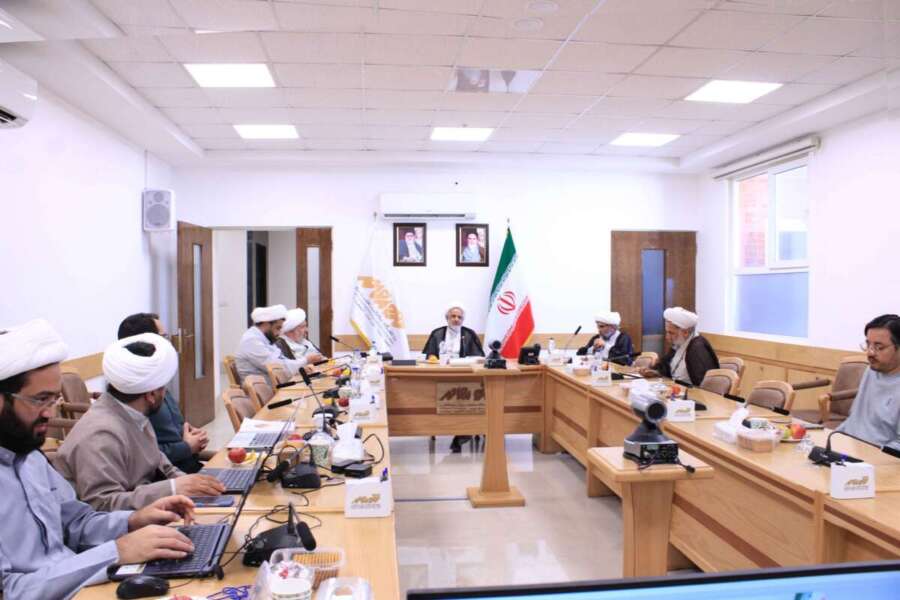
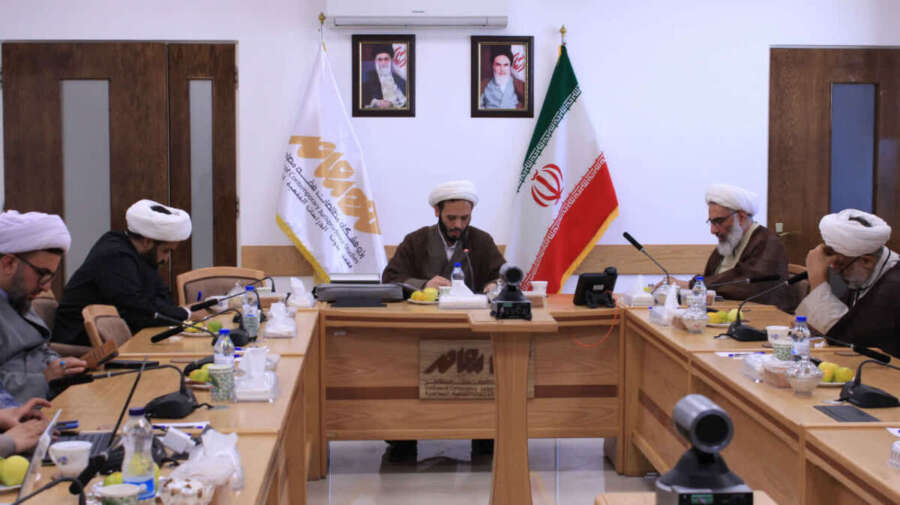
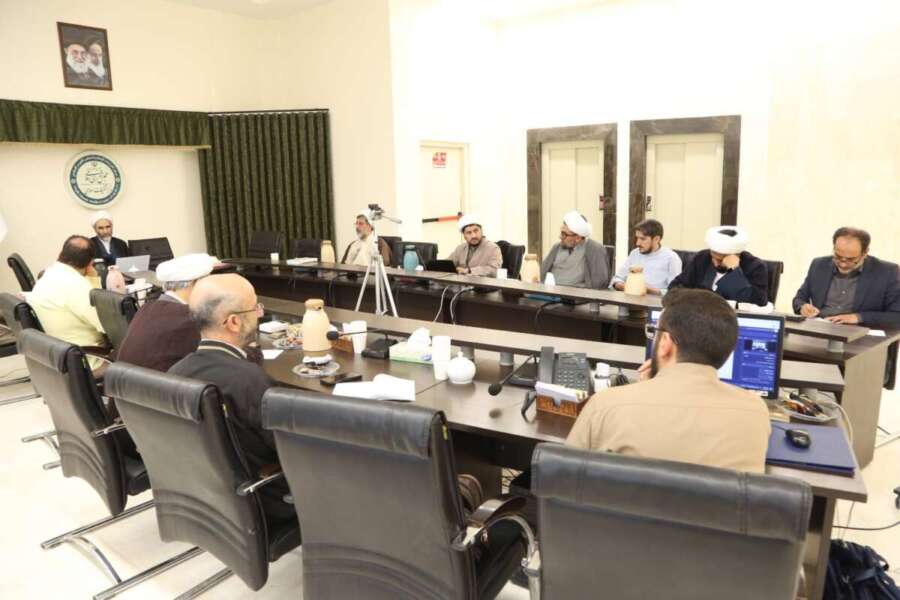
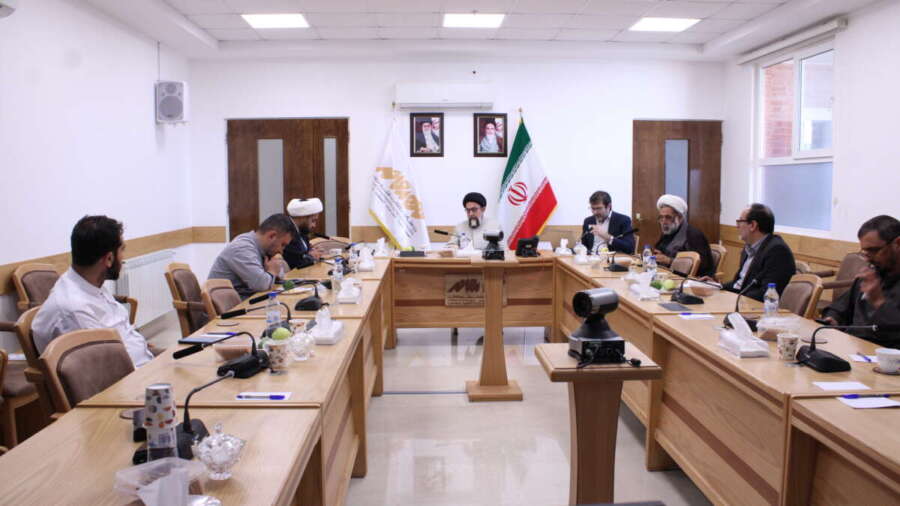
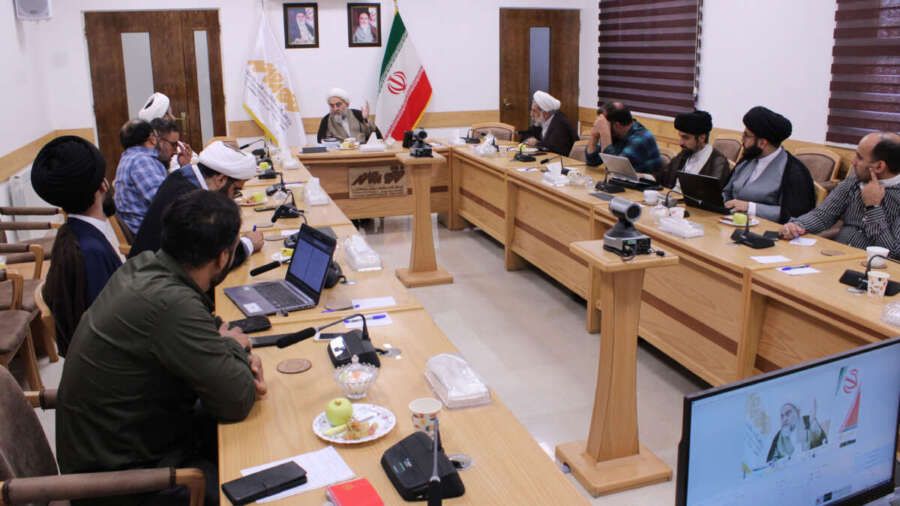
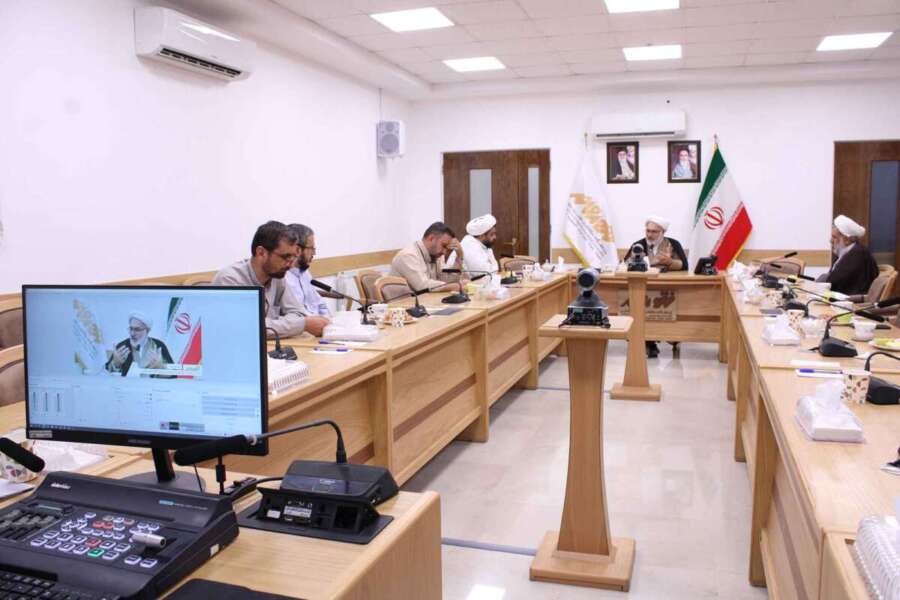
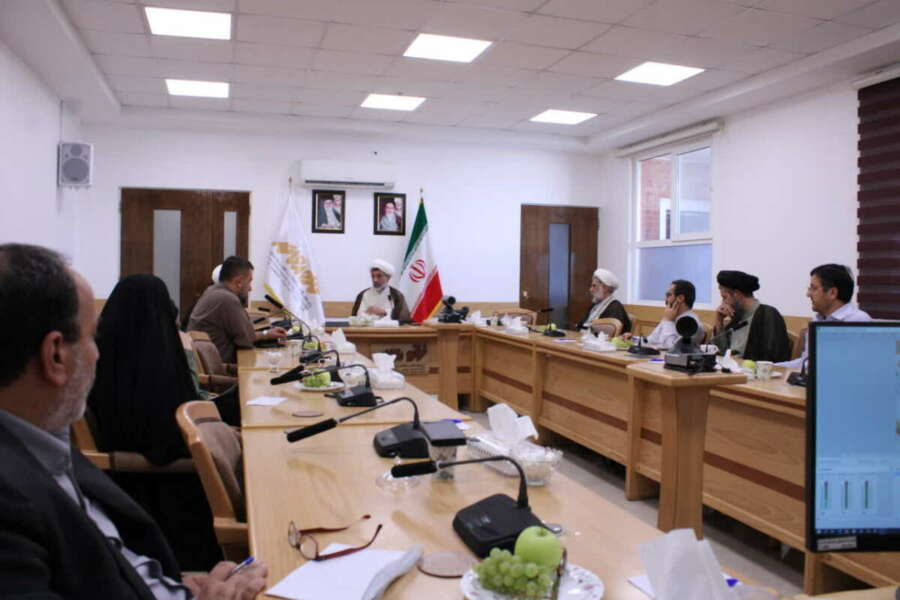
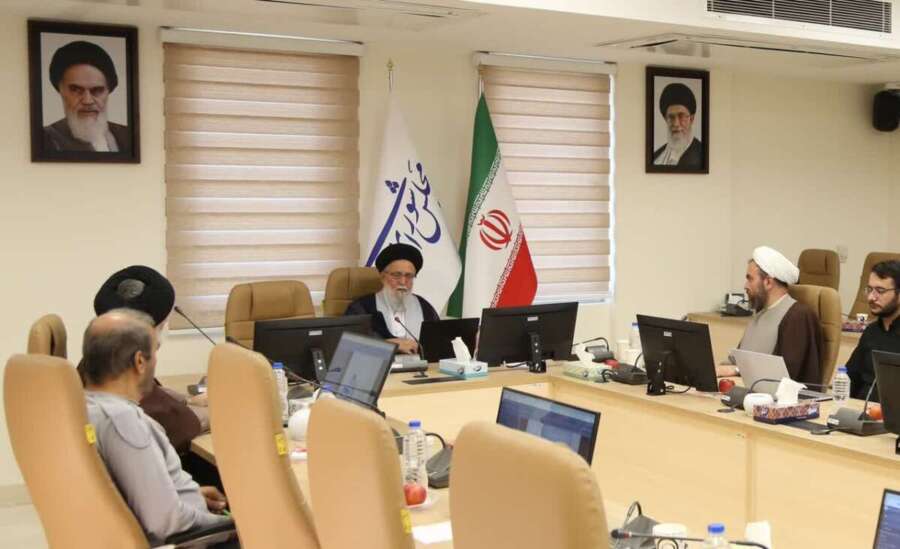
According to the site of the Research Institute of Contemporary Jurisprudence Studies, the 63rd session of the “Method on Sundays” series of the Research Institute of Contemporary Jurisprudence Studies was held on Sunday, November 2, 2025, with the topic “Examining Executive Considerations of Laws as a Method for Changing Laws Based on Islamic Standards.”
🔹In this session, Hujjat al-Islam wal-Muslimeen Mohammad Motaqian Tabrizi, director of the Legislation Jurisprudence Working Group, explained the importance of anticipating executive considerations from the law-drafting and initial design stage of laws and introduced it at two levels: “principle of executability” and “conditions and executive factors.”
🔸Hujjat al-Islam wal-Muslimeen Mohammad Ghodbi, the session critic, expressed the necessity of presenting a three-stage model including identifying obstacles, classifying, and presenting to jurists for reforming or aligning fatwas and examined a historical example of changing the fatwa on the amount of human blood money based on a specific number of camels.
🏷The question-and-answer section of the session, centered on the position of the jurist, the role of executive considerations in changing laws, and documenting the connection between religious standards and executability, strengthened the scholarly and practical interaction of researchers and jurists.
View the full text of the news of the scholarly session:🔻
The 64th Session of the “Method on Sundays” Series

Legislative Jurisprudence Requires Redefining the Relationship Between Expediency, Justice, and Sharia

🔹 How can balance be achieved between justice, expediency, and Sharia in the legislative process?
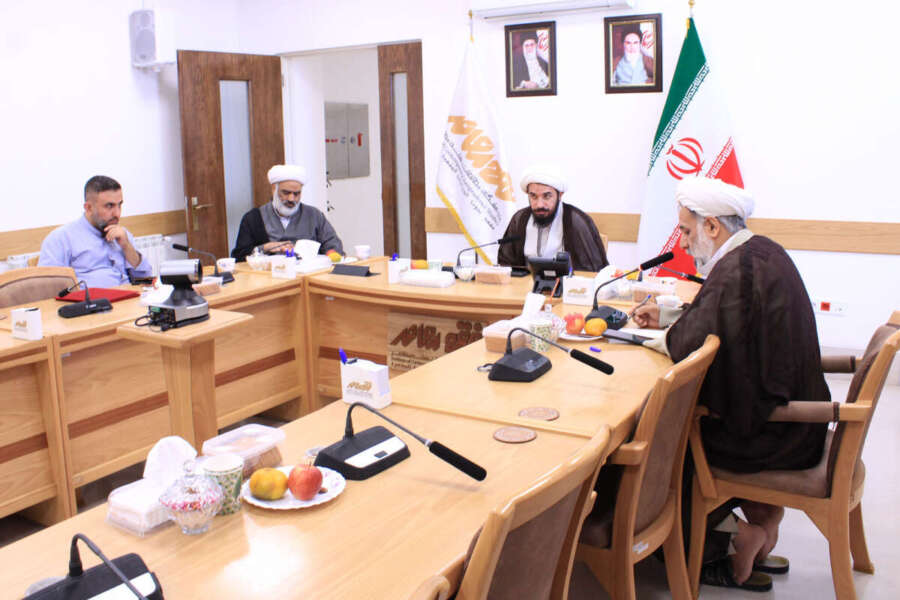
According to the news portal of the Research Institute for Contemporary Jurisprudence Studies, in this scientific session, the presenter, relying on the foundations of absolute wilayat al-faqih, sought to provide a methodical framework for evaluating Islamic legislation based on secondary rulings and social expedients.
The session critics, while appreciating the theoretical innovation, raised questions about the boundaries of the legislator’s intervention in primary and secondary rulings, the nature of the obligation to observe rulings, and the criterion for the baseline fatwa in legislation. According to the scientific secretary of the session, the goal of this series of programs is to elucidate the methodology of legislative governance and achieve an efficient model of Sharia-compliant legislation in the Islamic Republic system.
View the full text of the scientific session:

Sixty-Second Session of "Method on Sundays": Examining the Methodology of Law Interpretation in the Field of Islamic Jurisprudence and Law

Hujjat al-Islam wa al-Muslimin Dr. Fayyaz, Critiquing Common Methods of Law Interpretation and Pointing to the Existing Theoretical Gap, Emphasized the Necessity of Establishing Independent and Coherent Principles

In the sixty-second session of “Method on Sundays,” Hujjat al-Islam wa al-Muslimin Dr. Morteza Fayyaz, emphasizing the theoretical gap in law interpretation, raised the necessity of compiling independent and coherent principles and critiqued the unprincipled application of the principles of jurisprudence to legal texts. By introducing the three main schools of law interpretation, he emphasized the differences between human and divine legislators.
🔹 In this session, Dr. Fayyaz examined the possibility and scope of using the rules of the principles of jurisprudence in the process of interpreting secular laws and sought to demonstrate that in some cases, this application may lead to errors in understanding the law.
🏷 Hujjat al-Islam wa al-Muslimin Arasta, as the critic, pointed to the breadth of the concept of law interpretation and emphasized the need to revisit key concepts including ambiguity, vagueness, removing restrictions, conflict, and resolving silence. This session represents an important step toward enhancing scientific understanding and a more precise methodology for law interpretation in Iran.
View the full text along with the audio of the session: 🔻

Explaining Six Models of Interaction Between Jurisprudence and Law in Legislation at the 60th “Method on Sundays” Session

The 60th scientific session of “Method on Sundays” with the theme “Methodology of Legislative Governance Based on Islamic Principles” was held on Sunday, 13 Mehr 1404 (October 5, 2025), at the Islamic Research Center of the Parliament.
🔹 In this session, presented by Ayatollah Ahmad Moballeghi, the processes and methods of interaction between jurisprudence and law in legislation were examined. Ayatollah Moballeghi emphasized the necessity of three stages—theorization, jurisprudential deduction, and legislation—and warned against reducing jurisprudence to a mere legal tool.
🔸 The professor of advanced jurisprudence and principles at the Qom Seminary critiqued six models of the relationship between jurisprudence and law, introducing the “integrated fusion” model as the optimal approach. He also stressed the importance of a deep connection between jurisprudence and law to achieve religious legislation and prevent disorder in the legal system. This session was held with the aim of enhancing the quality of Islamic legislation and benefiting from the scientific experiences in the fields of jurisprudence and law.
View the full text of the news: 🔻

Dr. Seyed Hossein Hosseini: The issue must be analyzed more precisely, deeply, and with attention to the relationship between teachings and cultural context

In the fifty-ninth session of the “Method on Sundays” series, under the theme “Methodological Requirements for Transforming Islamic Knowledge into Public Culture,” Dr. Seyed Hossein Hosseini, a faculty member of the Research Institute for Humanities and Cultural Studies, emphasized the importance of precisely framing the issue, stating: “Until the issue is properly analyzed, any response may lead to error.”
🔹 He described Islamic knowledge as a multifaceted and diverse concept encompassing jurisprudence (fiqh), theology (kalam), ethics, and more, stressing that not all religious teachings can be transformed into public culture. Dr. Hosseini noted that the methodology in this field requires an interdisciplinary, philosophical, and cultural research perspective, stating: “The transformation process must be accompanied by intellectual persuasion, scientific critique, and attention to social structures.”
🏷 He also warned against the dangers of oversimplification, superficiality, and the lack of theorization in this area, emphasizing the need to design precise and actionable solutions within the context of contemporary civilization.
For the full text of the news and the audio of this scholarly session, see below: 🔻

The Fifty-eighth Specialized Session of "Method on Sundays" Was Held at the Research Institute for Contemporary Fiqh

Hujjat al-Islam wa al-Muslimin Mohammad-Taqi Sobhani Emphasized the Need to Redefine Knowledge Structures and Make Islamic Sciences Interdisciplinary

In a specialized session on the topic of “Methodological Imperatives for Transforming Islamic Knowledge into Public Culture,” Hujjat al-Islam wa al-Muslimin Mohammad-Taqi Sobhani, Head of the Center for Deepening Religious Faith and Countering Deviant Beliefs, emphasized the importance of the position of “method” in implementing religious knowledge in public culture. He considered this process a bridge between theorization and real life and spoke of the lack of attention to this field.
🔹The Head of the Center for Deepening Religious Faith identified the three main flaws of the traditional knowledge system as elitist and incomprehensible language for the public, a minimalist and conceptual view without explaining its practical application in life, and the dominance of a comparative-identitarian approach.
🏷With a critique of the linear system of religious education, he enumerated the networked system of religious knowledge, in which ethics, beliefs, and rulings are intertwined, and considered the redefinition of faith as a graded process, the distinction between the problem and the real needs of man, and the necessity of utilizing human sciences such as cultural studies, social psychology, and media studies as prerequisites for the application of knowledge.
View the full text of the news along with the audio of this scholarly session:🔻

Research Institute for Contemporary Jurisprudence Studies Held

Specialized Session with Hojjat al-Islam wal-Muslimeen Dr. Najaf Lakzaee and Hojjat al-Islam wal-Muslimeen Dr. Reza Gholami, Examining the Role of Religious Governance in Promoting Public Culture and the Necessity of People-Centered Governance

The “Method on Sundays” session, originally scheduled for September 14, was postponed to September 18 due to unforeseen reasons. In this session, the significance of religious governance as a key factor in institutionalizing Islamic knowledge within the public culture of society was examined.
Through in-depth and expert discussions, the session highlighted the importance of people-centered, sound, and Islamic-principled governance in the process of institutionalizing religious knowledge in public culture and emphasized the need to redefine the role of fiqh (Islamic jurisprudence) in addressing society’s strategic issues to tackle complex social challenges.
🏷 View the full text of the news along with the audio of this academic session: 🔻

Scientific Session of Contemporary Jurisprudence Studies Institute's "Method on Sundays"

Hujjat al-Islam Dr. Hamid Parsania in Session 56: Methodology as the Key to Operationalizing Knowledge

The Institute for Contemporary Jurisprudence Studies, in its 56th “Method on Sundays” session, with the presence of Hujjat al-Islam Dr. Hamid Parsania, a member of the Supreme Council of the Cultural Revolution, explored the “Methodological Requirements for Transforming Islamic Knowledge into Public Culture.”

This specialized session, attended widely both in-person and online by enthusiasts, saw Dr. Parsania introduce methodology as the key to operationalizing and institutionalizing religious knowledge in society. He highlighted the distinction between methods of cognition and the dissemination of knowledge, underscoring the critical role of tools such as rhetoric, dialectic, and poetry in cultural transmission.

Additionally, the session addressed topics such as cultural authority, the relationship between truth and social constructs, and the challenges of agency within the cultural hegemony of the West. This scientific session provided a valuable opportunity for rethinking approaches to promoting religious culture and enhancing religiosity in the public sphere.

Scientific Session “Method on Sundays” at the Research Institute for Contemporary Jurisprudence Studies

The 51st session of the summer series “Method on Sundays” emphasized the necessity of expanding the responsibilities of jurists beyond traditional jurisprudence and the importance of religious culturalization to realize religion in society

The 51st session of “Method on Sundays,” focusing on the significant topic of “The Method of Transforming Religious Propositions into Social Constructs,” was accompanied by expert perspectives and constructive critique. The main discussions revolved around the necessity of expanding jurists’ responsibilities beyond traditional jurisprudence, the importance of interaction between science and religion, the challenges of socializing religion, and defining the boundary between jurisprudence and domains beyond it. Additionally, the importance of creating a dominant normative environment and religious culturalization as key steps toward realizing the establishment of religion was emphasized.
This session provided an important platform for initiating deeper discussions and developing effective methods in the field of socializing religion, with plans announced for continuing the discussions in future sessions.
View the full text of the news along with the audio of this scientific session: 🔻

Scientific Session of the Institute for Contemporary Jurisprudential Studies on Justice and Public Culture

The 55th session of “Methodology Sundays,” presented by Hujjat al-Islam Dr. Mahdi Shajarian and critiqued by Hujjat al-Islam wal-Muslimeen Hassanali Aliakbarian, addressed the challenges of rationality and religious norms in contemporary society

The “Method on Sundays” session, organized by the Institute for Contemporary Jurisprudential Studies and the Office of Islamic Propagation, took place on Sunday, August 31, 2025. In this specialized session, Dr. Mahdi Shajarian, Assistant Professor in the Social Justice Studies Department at the Institute of Islamic Sciences and Culture, delivered a lecture on “The Impact of the Theory of Justice on the Methodology of Transforming Islamic Knowledge into Public Culture.”
Dr. Shajarian highlighted the significant challenge of the gap between jurisprudential norms, particularly social rulings, and public culture, identifying the differing perspectives on rationality in Islamic jurisprudence as a key factor contributing to this divide. He emphasized the need to move from a “narrow” rationality (aql-e maziq) to an “expansive” rationality (aql-e mowsa‘) capable of issuing rulings on specific cases, which could facilitate the transformation of religious norms into public culture.
Hujjat al-Islam wal-Muslimeen Hassanali Aliakbarian, the session’s critic, offered a differing perspective, stressing that the public should be acquainted with religious norms through explanation and dialogue rather than reconstructing those norms to align with social perceptions.
This session was the fifth in the summer series of “Methodology Sundays” and was held in collaboration with the Office of Islamic Propagation’s Desk for the Development and Empowerment of Islamic Sciences.