According to the Research Institute of Contemporary Jurisprudence Studies, the 82nd session of “Methodology Sundays” was dedicated to elucidating the jurisprudential foundations and Ijtihadi methodology of the Supreme Leader, Ayatollah Sayyid Mojtaba Khamenei. Held on April 12, 2026, with the …
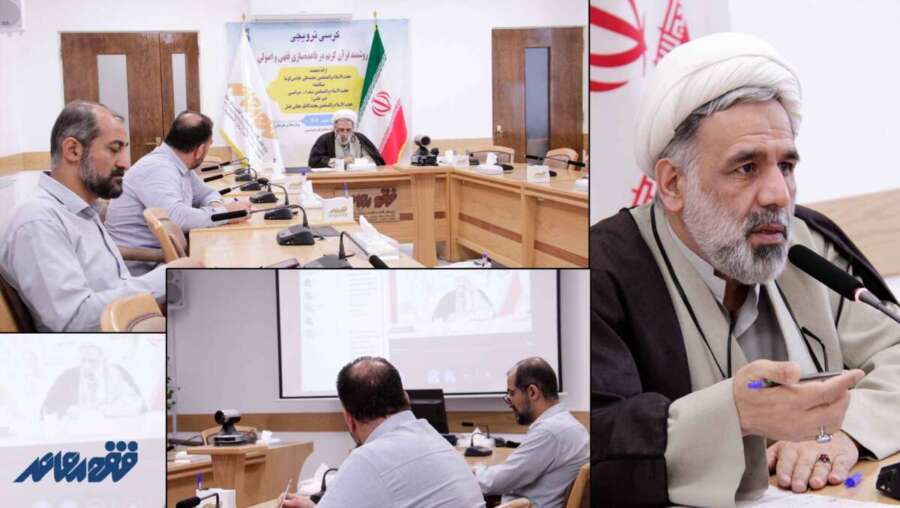
Does the Qur’an Have a “Research Method”?
Examining the Possibility of Deriving Methodology from the Text of Revelation in the Eightieth Session of “Method on Sundays”
According to the Contemporary Jurisprudence Studies Institute, the eightieth session of the series “Method on Sundays” was held under the title “Qur’an-Based Research Method.” At the beginning of the session, Hujjat al-Islam wal-Muslimeen Haqqani Fazl, the academic secretary, while referring …
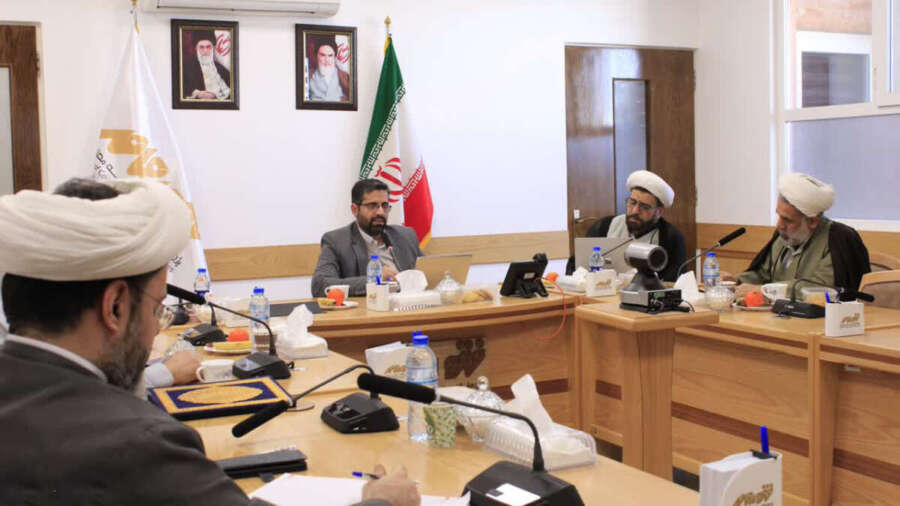
From Interpretation to Implementation; The Challenge of Social Realization of Quranic Teachings
Investigating the Impact of the Holy Quran on the Method of Producing Islamic Models and Patterns in the 77th "Method on Sundays" Session
According to the report of the Site of the Research Institute for Contemporary Jurisprudence Studies, the 77th session of “Method on Sundays” was held with the title “The Impact of the Holy Quran on the Method of Producing Islamic Models …
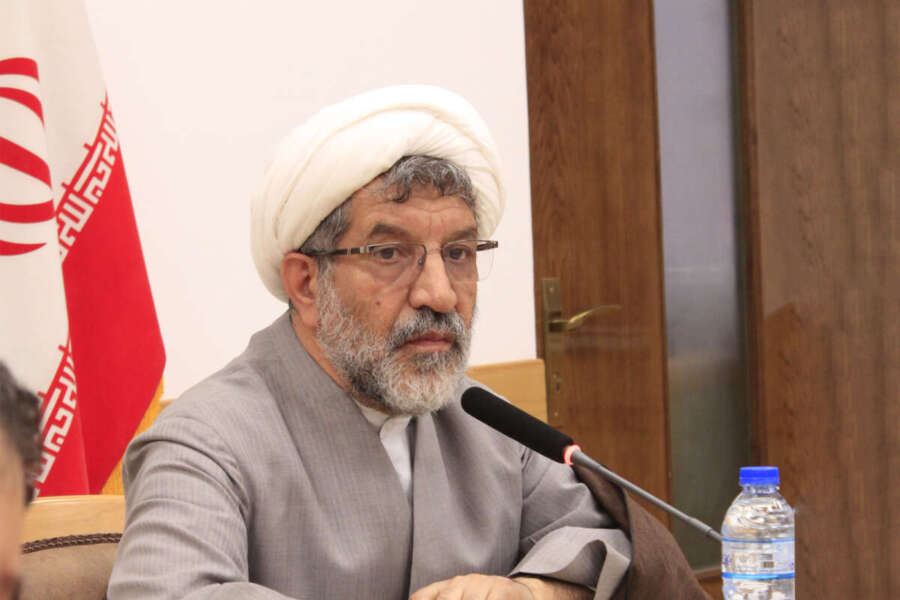
Elucidation of the Nature of Legislation and Its Relation to Jurisprudence in the “Method on Sundays” Session
Hujjat al-Islam wal-Muslimeen Dr. Parsania: Legislation is inherently a collective act and necessitates a fundamental reconsideration of jurisprudential methodology
Through a discussion of the essence of legislation, the distinction between fatwa jurisprudence and legislative jurisprudence, the role of public authority in legislation, and the imperative of attending to social circumstances and executive capacities, he clarified both the theoretical and …
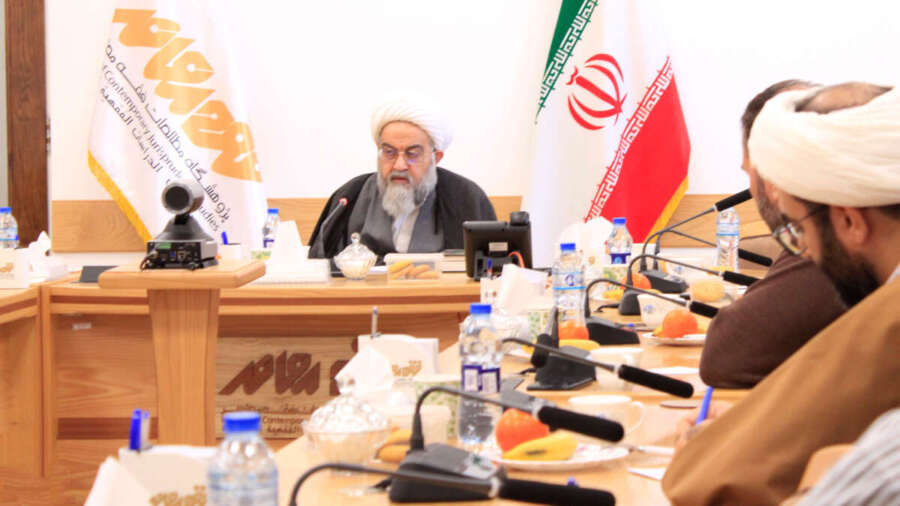
The 74th "Method on Sundays" Session:
A Roadmap for Contemporary Jurisprudence: Methodological Imperatives for Transforming Jurisprudential Propositions into Public Culture
The "System – Paradigm – Program" Framework Introduced as a Strategic Roadmap
On Sunday, January 11, 2026 (21 Dey 1404), the Research Institute for Contemporary Jurisprudence Studies hosted the 74th installment of its “Method on Sundays” series. Titled “Methodological Imperatives of Transforming Jurisprudential Propositions into Public Culture,” the event was supported by …
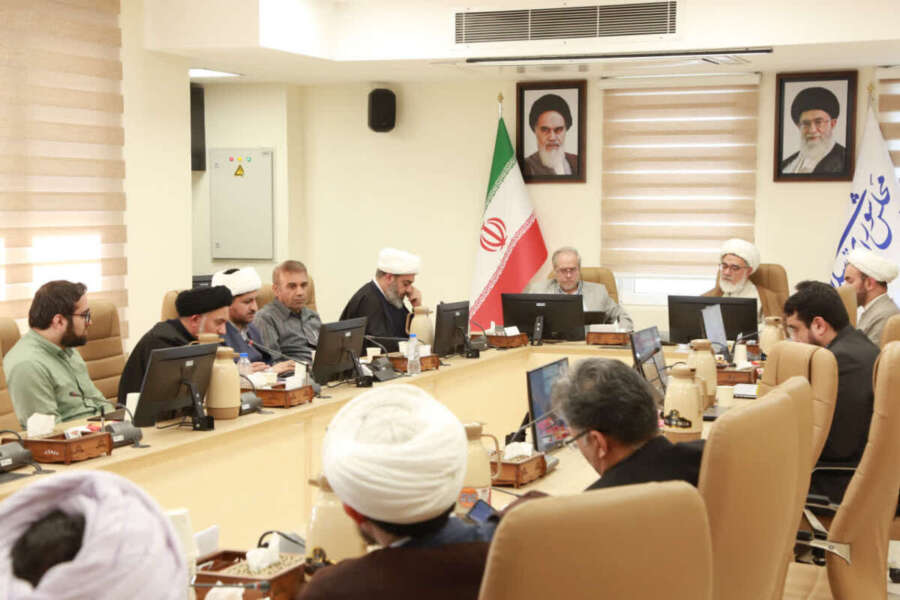
According to the Site of the Institute of Contemporary Jurisprudence Studies, the seventy-third scientific session of “Method on Sundays,” titled “Assessing the Relationship between the Legislative Process and the Obligation to Accept the Law,” was held with the presence of …
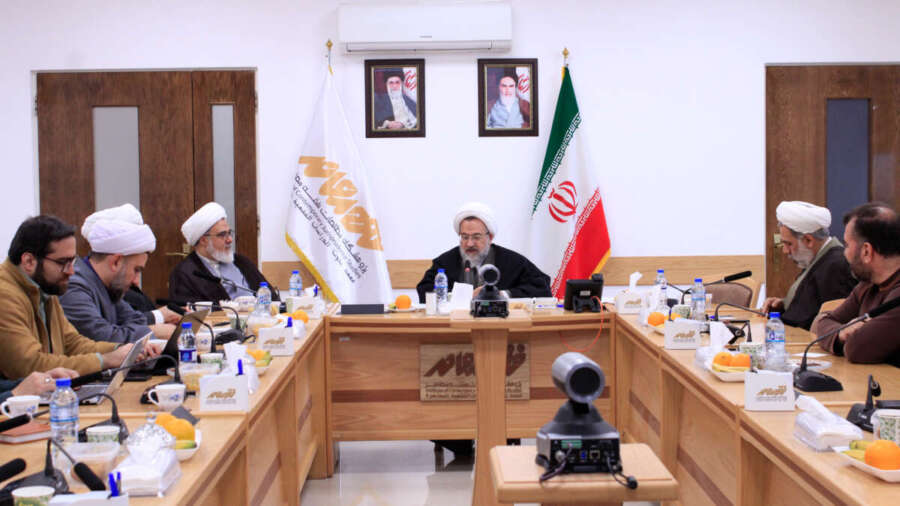
Can Public Satisfaction Be a Condition for Islamic Legislation?
An Examination of the Status of Custom and Public Satisfaction in Legislation Based on Jurisprudence
According to the information portal of the Research Institute for Contemporary Jurisprudential Studies, the seventy-second installment of the “Method on Sundays” series—centered on the “Methodology of Legislative Governance Based on Islamic Principles”—took place. Welcomed by researchers and actively followed by …
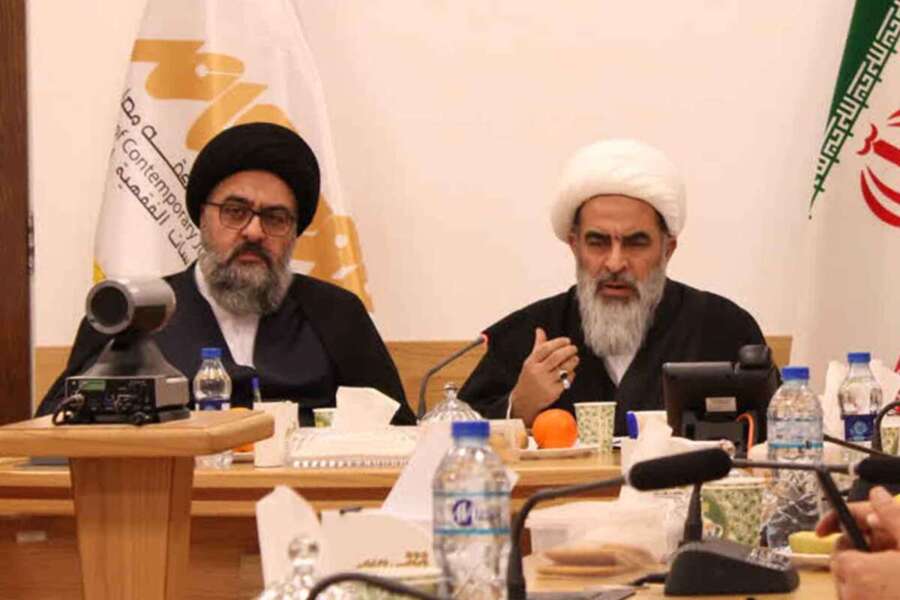
The Process of Evaluating the Conformity of Law with the Essentials of Jurisprudence and Religion Was Examined
Divine Limits: The Criterion for Assessing the Legitimacy of Laws
The seventy-first session of the “Method on Sundays” series, entitled “The Process and Methods of Evaluating the Conformity of Law with the Essentials of Jurisprudence and Religion,” took place on Sunday, December 21, 2025, at the Research Institute for Contemporary …
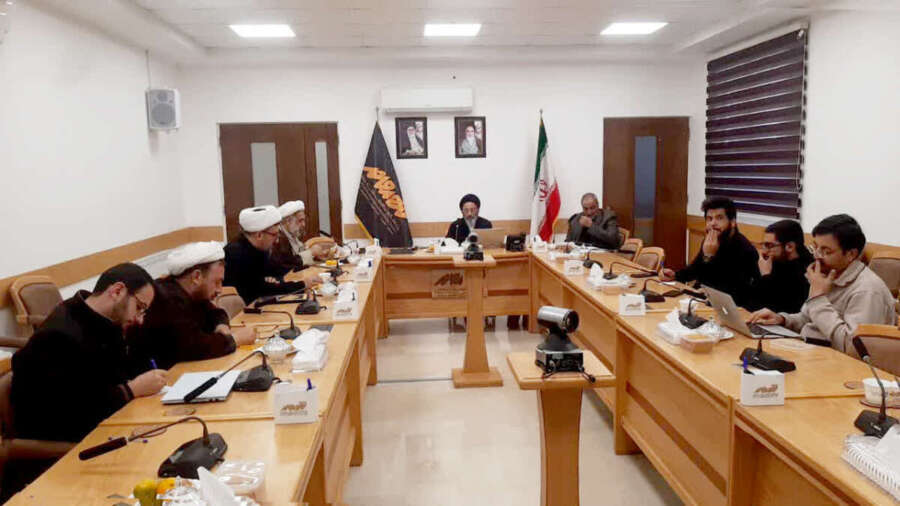
Note: The 67th session of the “Method on Sundays” series at the Contemporary Jurisprudence Studies Research Institute was devoted to the topic “Processes and Methods of Amending Legal Statutes in Accordance with Islamic Criteria.” In this session, Hujjat al-Islam wal-Muslimin …
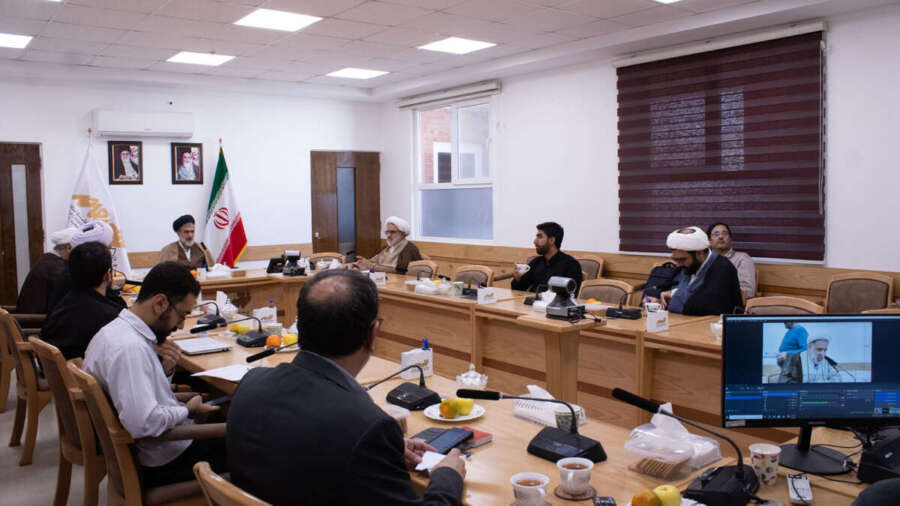
Note: The sixty-sixth session of “Method on Sundays,” with a focus on “evaluating the conformity of law with primary rulings,” was devoted to examining various views on the relationship between legislation and sharia. Hujjat al-Islam wal-Muslimeen Vara’i, in this session, …